
Buying a Shar Pei Puppy
What to expect from a breeder who puts Health, Welfare and Temperament first.
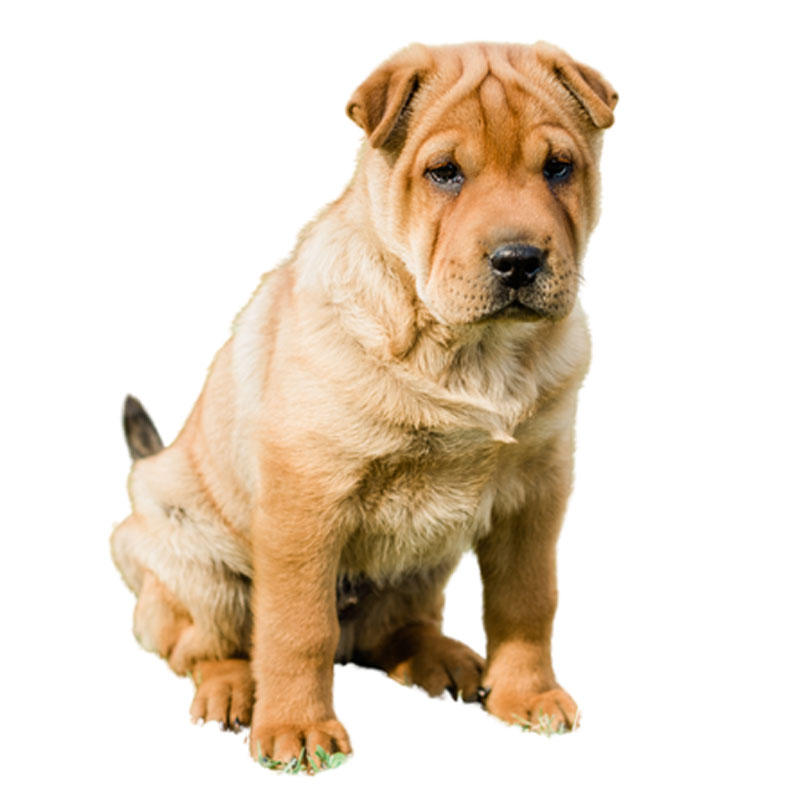
Shar Pei are physically distinctive because of their wrinkled skin, but excessive skin and exaggerated wrinkling can cause discomfort and serious health problems. Do not buy a puppy whose parents have such heavy wrinkling that the eyes are not clearly visible. Shar Pei puppies sometimes have temporary stitches put in their eyelids to reduce pain caused by inturned eyelids rubbing the eyes (‘eye tacking’). Puppies with less extreme wrinkling are less likely to need this procedure.
Essential Documents
- Heath Certificates (both parents)
- Signed AWF Puppy Contract
- KC Registration Certificate (if applicable)
- Microchip Registration Certificate
- Temporary Pet Health Insurance
- Vaccination Certificate
A Good Breeder Will:
- have socialised and habituated the puppy
- provide a supply of food
- provide a blanket smelling of Mum
- follow the Code of Practice for Dog Breeding
Official Health Schemes
- BVA/KC screening scheme for eye disease; full ophthalmological testing before breeding (includes checks for multiple inherited and conformation-related diseases). The BVA recommends annual examination for Shar Pei aged 3-9 years to check for POAG (primary open angle glaucoma)
- the scheme checks for many inherited abnormalities that can cause progressive blindness or pain
Other Diseases
No current health scheme or DNA test available.
Many of these diseases are linked to SPAID or heavy wrinkling.
- Allergies
- |
- Amylodosis
- buildup of abnormal tissue in kidneys or liver, linked to SPAID
- Arthritis
- linked to SPAID
- Cancers
- various
- ‘Cherry eye’
- protruding gland of third eyelid in young dogs, may require surgery
- Dermatitis
- especially in deep skin folds
- Entropion
- inturned eyelids that cause discomfort, linked to heavy wrinkling
- FSF - familial Shar Pei fever
- part of SPAID
- Hypocobalaminemia
- low levels of vitamin B12, causes lethargy
- Luxating patella
- abnormal kneecap causing pain & lameness
- Otitis
- ear infection, linked to SPAID
- Swollen hocks and face
- part of SPAID
DNA Tests Relevant to Breed
- POAG/PLL – primary angle glaucoma/primary lens luxation
- increased pressure inside eyeball and displacement of the lens, causing pain and blindness
- SPAID – Shar Pei Autoinflammatory disease
- autoimmune disease that causes recurrent fever and inflammation. More common in dogs with very heavy wrinkling.
Other Tests
- None